
VR for rehabilitation, activity and cognitive stimulation
SYNCSENSE® can be used in rehabilitation centers, activity centers, day centers, dementia centers and temporary rehabilitation units by citizens with different physical, cognitive and social needs.
The solution is relevant for citizens who are in a rehabilitation or retraining pathway after illness, surgery or hospitalization, as well as for citizens who need maintenance training, activation and meaningful experiences.
The VR solution can be a tool that supports activity offerings such as physical exercise and movement, cultural experiences, experiences outside the home, travel, cognition, dementia-friendly activities, reminiscence and sensory training, meditation, mindfulness, music, quizzes, reminiscence groups and memory training.
SYNCSENSE® may be beneficial for citizens who:
- have brain injury, stroke or other neurological challenges
- have dementia, memory problems or other reduced cognitive function
- have reduced mobility, balance, endurance or physical function
- have a low activity level or lack motivation for exercise and movement
- are weakened after illness, surgery or a longer period of inactivity
- are staying in a temporary rehabilitation unit with the aim of regaining functional ability and independence
- need maintenance training or support to maintain their functional level
- have limited opportunities to get out and experience nature, culture and familiar places
- need sensory stimulation, reminiscence, diversion or cognitive activation
- can benefit from social shared experiences, conversations and increased participation in activities
- need calm, diversion or positive breaks in everyday life
- may need support to regulate arousal level and emotional balance
- may experience restlessness, frustration, anxiety or inner tension in everyday life
- may have outwardly reactive or door-seeking behavior, where the need for security, distraction and calm is central
SYNCSENSE® is a flexible 2-in-1 solution that combines motivating physical activity with cognitive and sensory stimulation. The VR experiences can be adapted to the citizen's interests, resources, condition on the day and functional level, and can be used both individually and in groups.
For some citizens, the solution can create a greater desire to move and participate actively in retraining, rehabilitation or maintenance training. For others, it can awaken memories, stimulate the senses and create calm, joy, presence and conversation - also when physical exercise is not the primary purpose.
With the SYNCSENSE® solution, staff get an extra tool in the toolbox. The present and meaningful VR experiences can have a calming and distracting effect and thereby help lower the conflict level and outwardly reactive behavior among citizens when challenging situations arise.
The VR experiences can be started by therapists, care staff, activity staff and other relevant professionals as a supplement to rehabilitative and healthcare efforts. Relatives and volunteers can also use the solution and thereby contribute to more activities, shared experiences and meaningful togetherness with citizens.
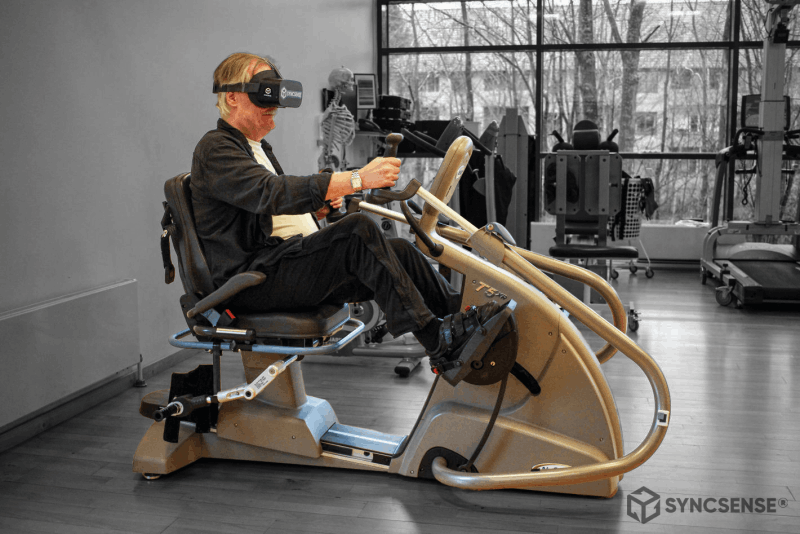
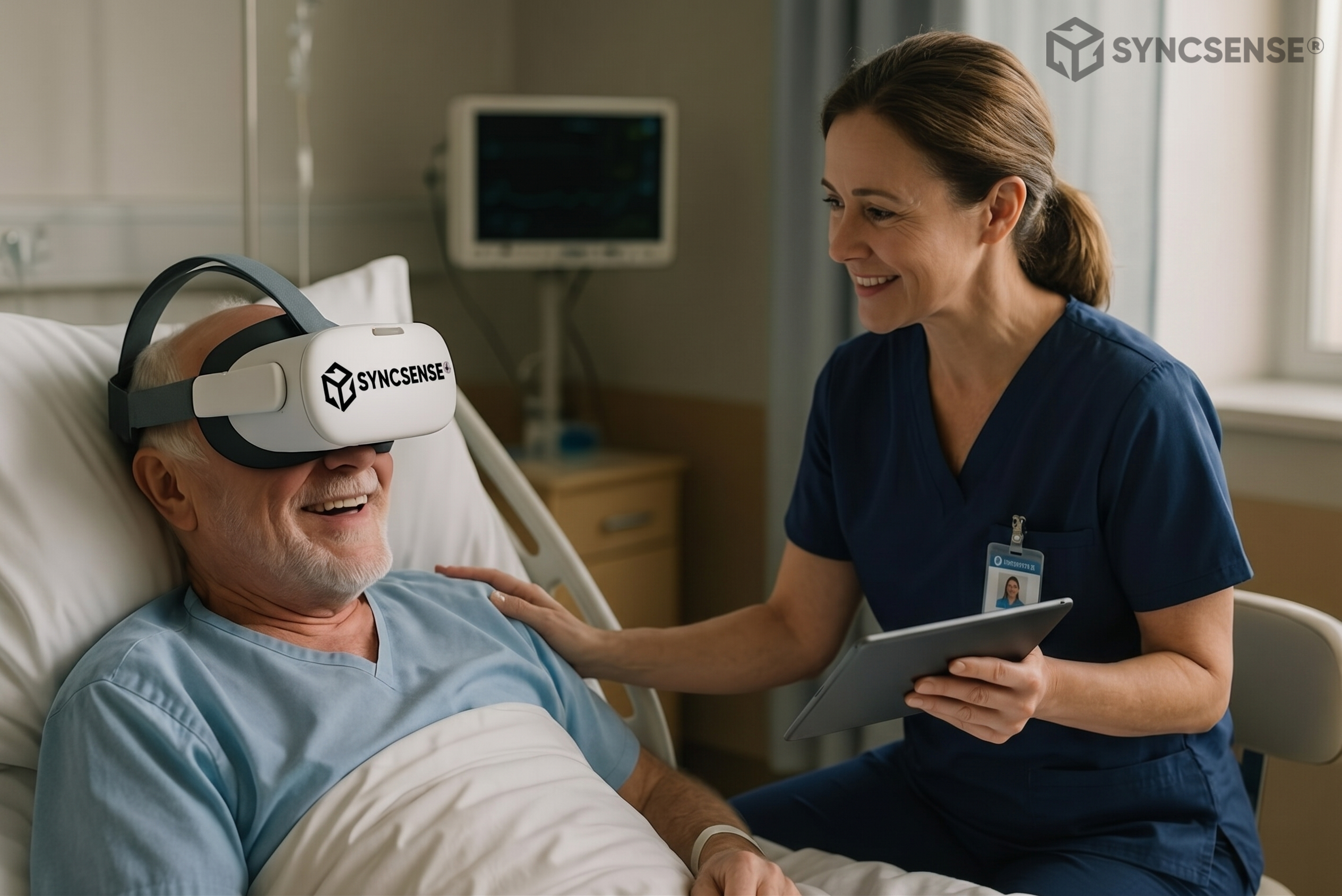
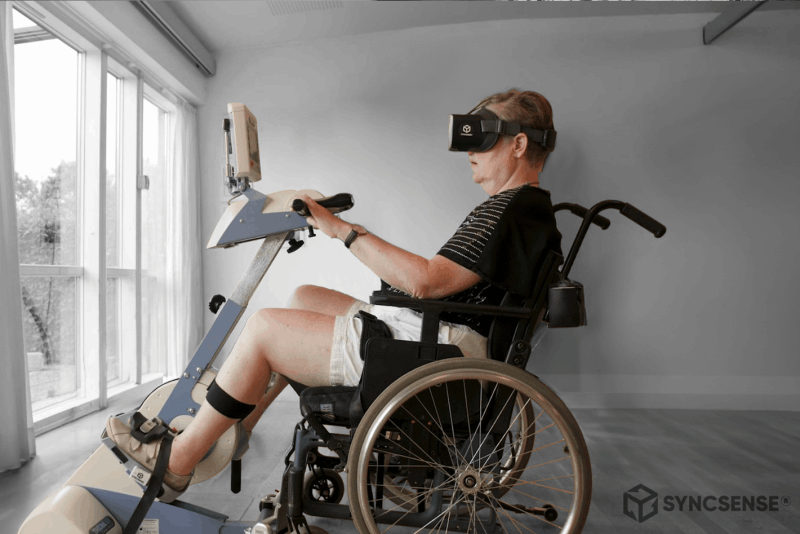
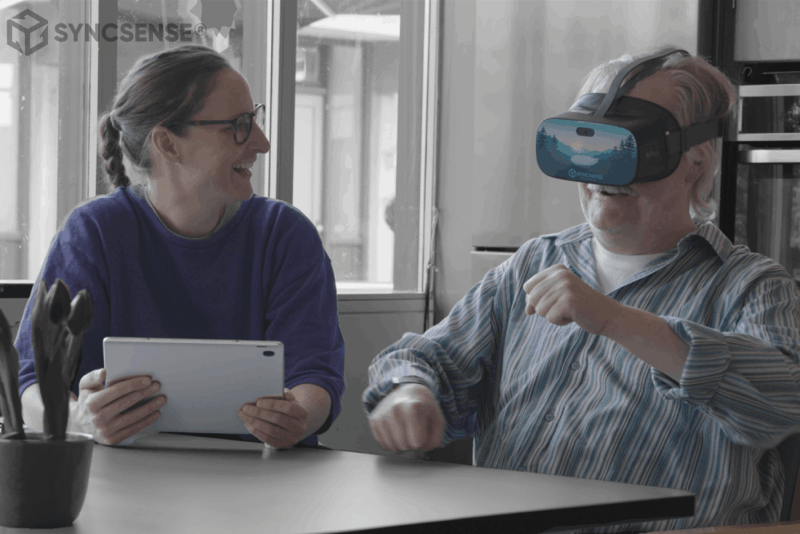
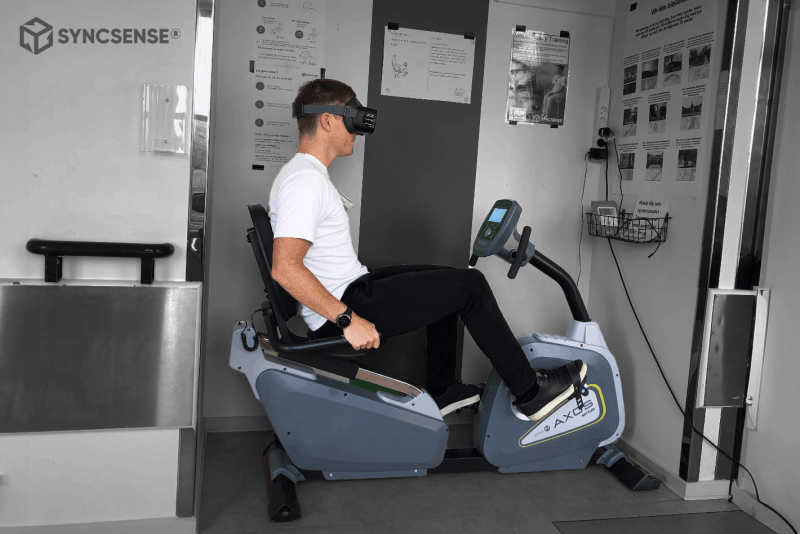
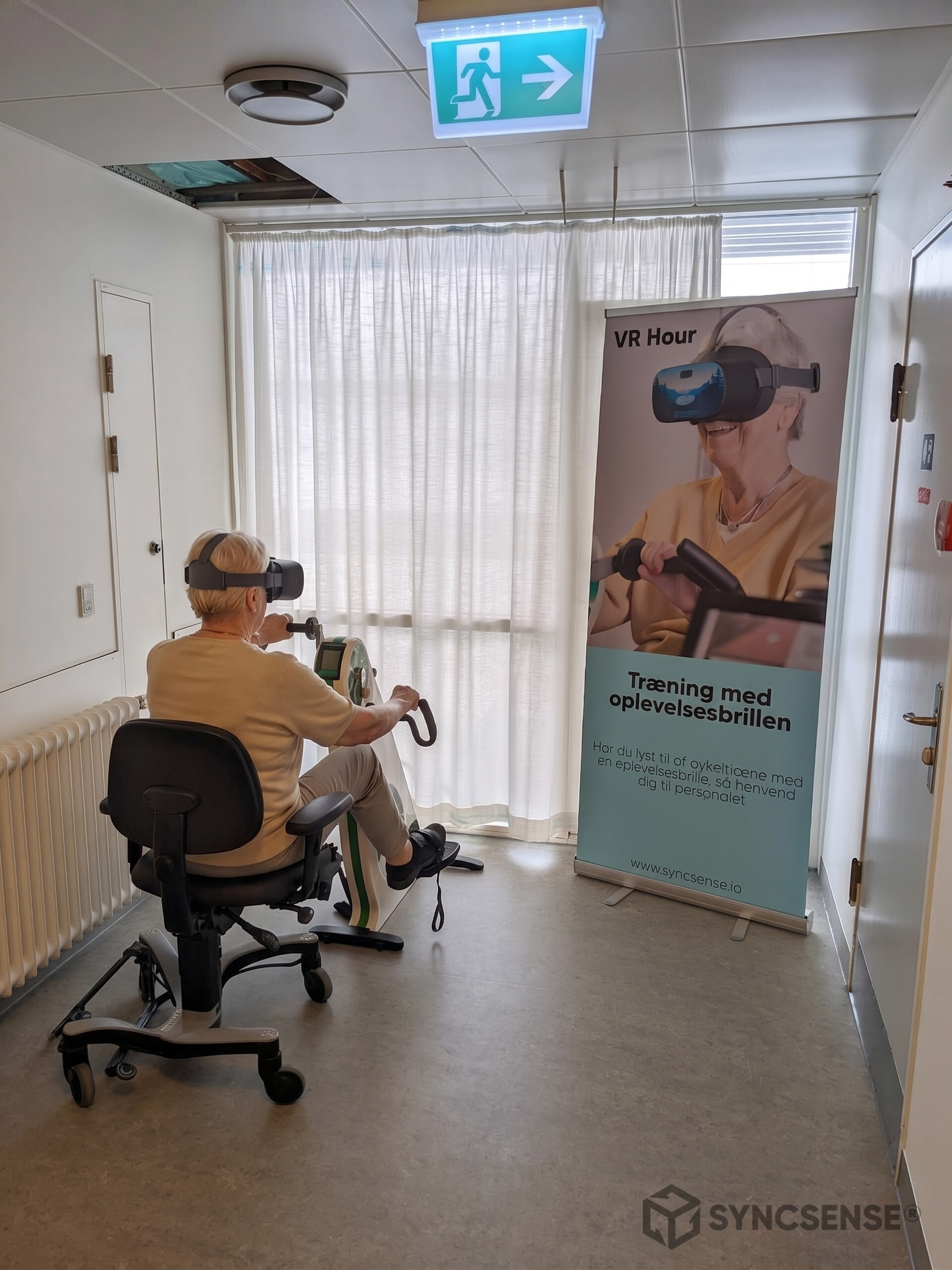
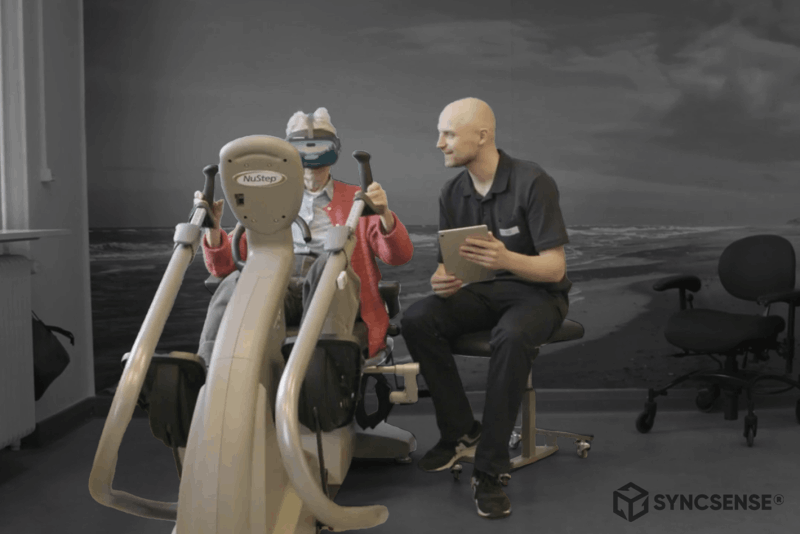
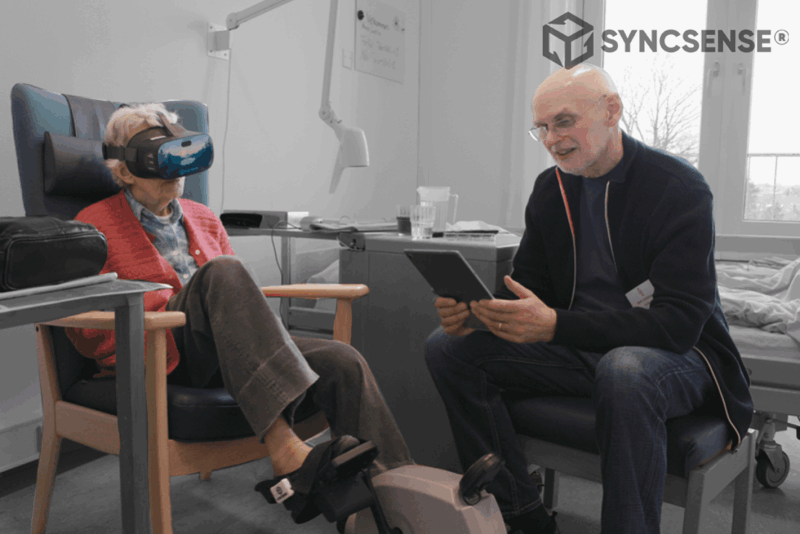

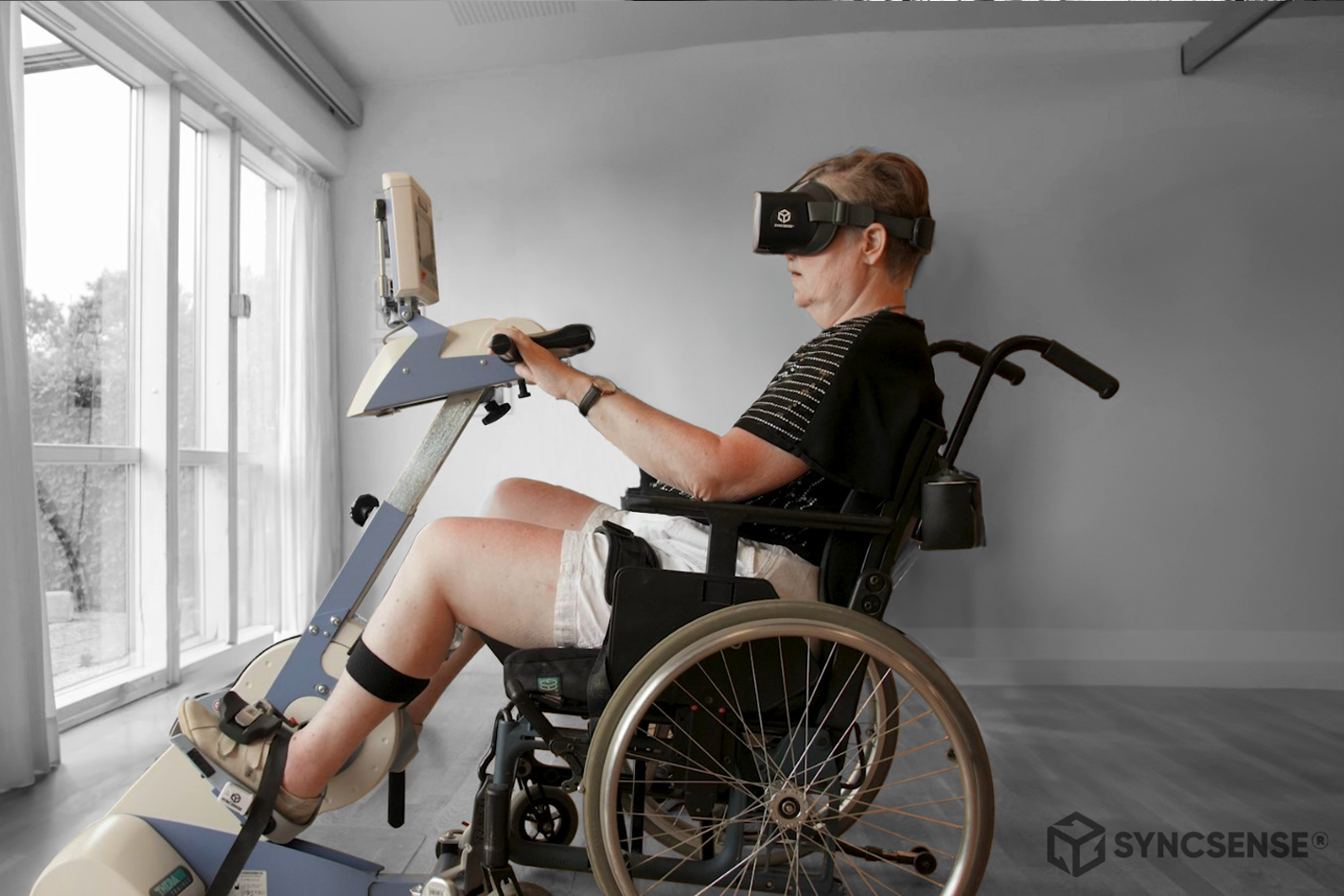
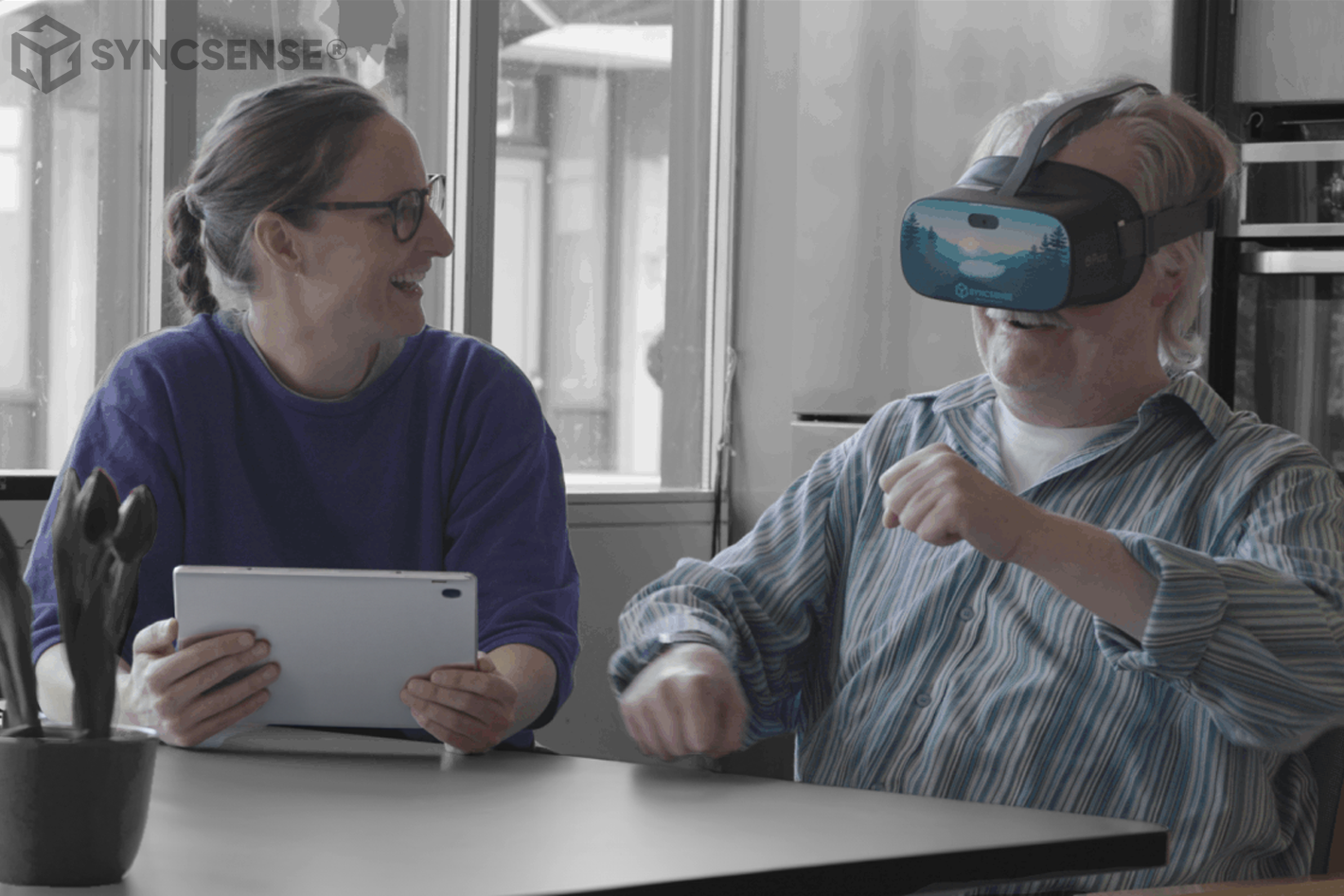

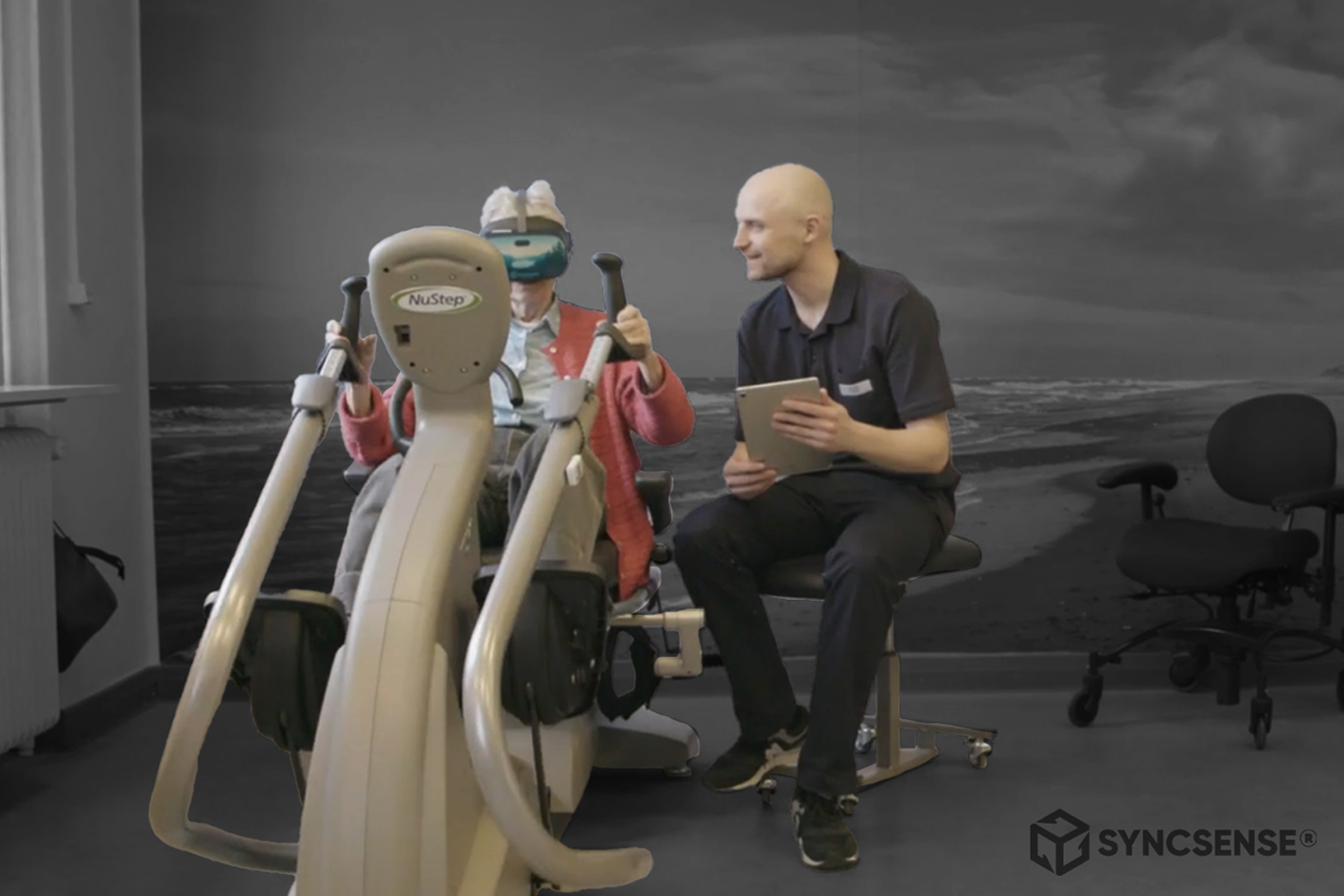
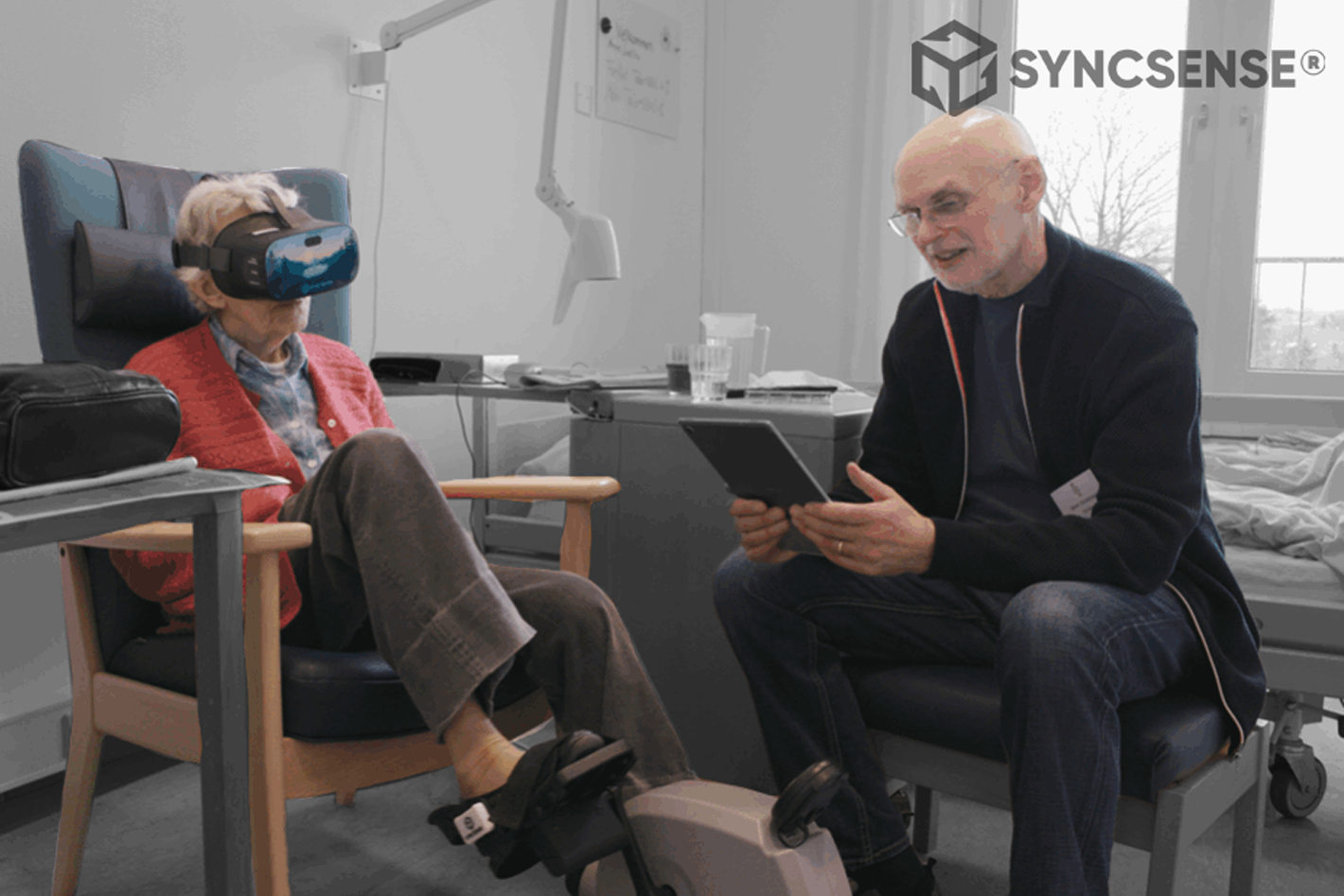
The case video shows how and why temporary round-the-clock rehabilitation units get value by having implemented the VR solution.
Case video: Frederiksberg Municipality's 24-hour Rehabilitation.
Selected partners and reference customers
- City of Copenhagen, temporary 24-hour rehabilitation units.
- City of Copenhagen, activity centre.
- City of Copenhagen, Centre for Dementia.
- Frederiksberg Municipality, temporary 24-hour rehabilitation units.
- Lolland Municipality, temporary 24-hour rehabilitation units.
- Fredensborg Municipality, temporary 24-hour rehabilitation units.
- Vejle Municipality, temporary 24-hour rehabilitation units.
- Hørsholm Municipality, temporary 24-hour rehabilitation units.
- Aalborg Municipality, temporary 24-hour rehabilitation units.
- Danske Diakonhjem, Tysingehave day centre.
This is what your colleagues say about SYNCSENSE®
"VR as a tool for sensory integration, relationships and quality of life.
As a psychomotor therapist, I work with body, senses and relationships. Recently, I experienced how VR can not only create visual experiences, but also open up memories, emotions and life story. A simple VR church service turned into a moment of presence, singing and conversation about the meaning of life.
Technology cannot replace human contact – but it can create new spaces for quality of life"
Read Andreas's full article.
"We in Lolland Municipality are pleased with the simple and straightforward way the VR headset from SYNCSENSE works, and of course also with the fact that the solution contributes to free hands for the healthcare professionals, increased movement among our older citizens and a higher quality of life in the moment with the help of welfare technology."
"We have been working with VR for a long time and believe that the solution from SYNCSENSE meets our needs and therefore fits well into our work with physical training and mobility. The content is adapted to our target group and we see that the VR experience motivates increased training efforts and facilitates conversations among the admitted citizens. We use VR directly as part of the physical training, and the easy operation makes it possible for us to also offer it as an activity in the form of self-training or with help from volunteers in the late hours of the day."
"I believe there is great potential within VR and rehabilitation, as the citizens get a direct experience of what awaits them out in society, directly into their room – which can seem quite distant when you are admitted for a long-term rehabilitation stay. We have experienced that the VR bike rides from SYNCSENSE have helped increase motivation for training and facilitated conversations about goals for the course."
"VR exercise already supports the qualified training, but at the same time provides a sensory-stimulating experience of getting out of the house - something we otherwise do not have the possibility of. I also find that residents with cognitive deficits train for longer, and that the experience becomes more meaningful through conversation along the way and afterwards via tablet viewing."
"I had not worked with the VR solution for many months before one successful experience followed another. The experience I would like to share that has touched me deeply is from a citizen who had been very active earlier in his life but has now developed muscular dystrophy in his legs, which bothers him greatly. The citizen has expressed that he no longer wishes to live because of his reduced level of functioning. He used to cycle on his tricycle around Langelinie and Amalienborg. And as there is a VR film from this place, I thought he was an obvious choice to try the VR headset. And it was a great success! He smiled and laughed throughout the entire bike ride and was very positive about the whole experience. Along the way he said that he no longer felt ill. Afterwards he gladly and actively participated in the social gathering for coffee and cake and was incredibly motivated to start and come regularly to the centre in order to be able to do this VR bike ride that he had missed so much.
This experience underlined for me how important it is to search for tools that provide new opportunities to improve the quality of life for our citizens and how even a short 15-minute VR film can evoke such a great feeling of joy and meaning in life."
Physical inactivity and reduced cognitive function have negative consequences for older admitted citizens at temporary 24-hour rehabilitation units
An older generation with a growing burden of multiple chronic conditions will challenge the healthcare system of the future and society in general. Healthy ageing is therefore a theme that is more important than ever before.
Many older patients, after hospital discharge, come to one of the approx. 3,500 temporary 24-hour rehabilitation units in the municipality. In recent years, municipalities have strengthened prevention efforts for inappropriate readmissions, as well as to be able to bring citizens home more quickly from hospital [1].
In 2018, almost 50% of Danish hospitalised patients were over 65 years of age. This corresponds to approx. 600,000 admissions [2], and of these, approx. 20% are readmitted within 30 days [3].
The risk of readmission is directly linked to the individual patient's physical capacity [4]. Studies show that older patients are physically inactive between 77–98% of their admission period [5, 6, 7].
The combination of prolonged physical inactivity and old age is a neglected problem. Physical inactivity has serious and well-documented consequences for bones, muscles and the cardiovascular system [8]. Even short-term physical inactivity in older people markedly reduces fitness and muscle mass [9].
Physical inactivity among older people causes more than 50,000 extra somatic hospital admissions annually. Treatment and care of physical inactivity cost Danish society almost 5 billion kroner per year and also cause more than 5,000 deaths [10].
Physical inactivity during admission quickly reduces older citizens' physical function and thus their independence, whereas physical activity can reduce older citizens' physical functional decline [11] and even reverse the trend during admission [11].
Just 15–20 minutes of chair-based physical activity a day is able to shorten the length of stay by 20% [6] and thereby reduce admission costs [12].
This is particularly the case with activities aimed at improving physical endurance, such as seated cycling exercise [13]. Seated cycling exercise is a gentle, safe and effective form of exercise for older citizens [14] and builds independence in key ADL functions [15], such as getting up and taking more steps [16].
For older cognitively challenged citizens (e.g. with dementia), the great advantage of cycling exercise is its fundamental ability to increase the citizen's physical strength and sustained stability in the legs [13]. A seated bike is safe to use for citizens with balance challenges. At the same time it is gentle, because even from a very low starting point of physical output it can gradually build physical strength [14].
One study has, for example, found that (max) 15 minutes of seated cycling approx. 4 times a week over just 3 weeks increased older citizens' average cycling distance by 26% [16].
The result was a significant difference in the ability to walk (both distance and speed), improved both exercise duration and pedalling/strength, as well as the ability to rise from a seated position [16]. Just 100 steps a day have been shown to lead to a 10% reduction in the risk of physical complications such as disease relapse [17].
Research shows that cycling makes older people 9–17% more efficient at walking [18].
Cycling trains the leg muscles used to take steps far more effectively than the same amount of time spent on a walk [18, 19]. But cycling exercise also functions as prevention in health risk areas such as fall prevention.
30% of older Danish citizens living at home and 50% of citizens in nursing homes fall at least once a year [20].
Citizens with dementia are at twice the risk of fall episodes and recover more slowly afterwards [20, 21].
Falls can lead to serious, lasting injuries for older citizens [20]. When the efficiency of an older citizen's locomotor-based functions such as balance, coordination, step length and endurance is reduced, the risk of fall episodes increases [13]. With endurance-based physical activity such as seated cycling exercise, the citizen's physical abilities are improved to a degree that has been directly demonstrated as an effective method of fall prevention [13].
References can be found HERE.
